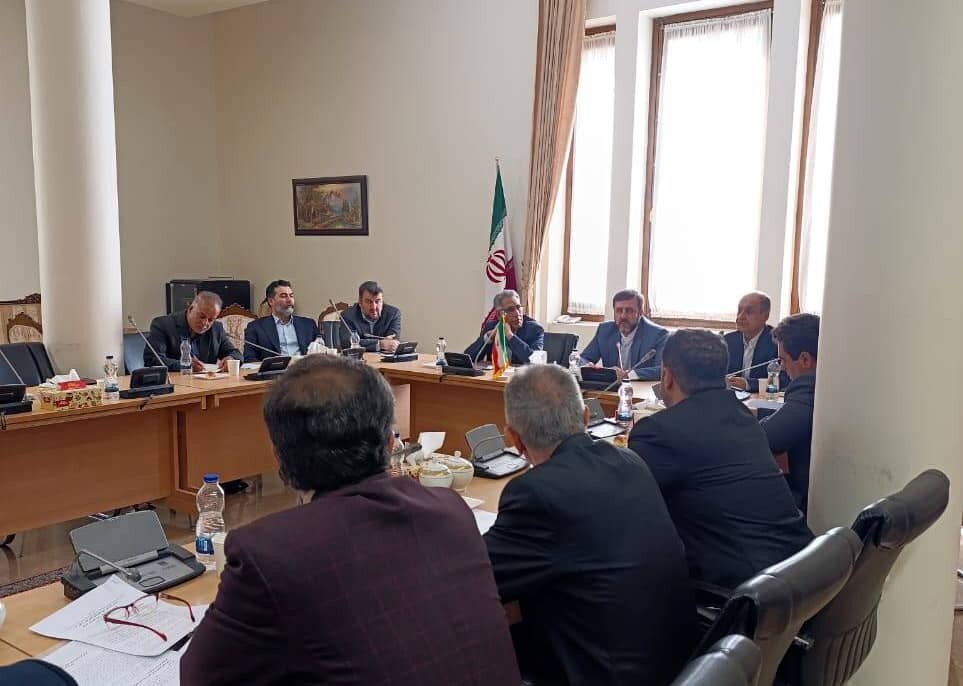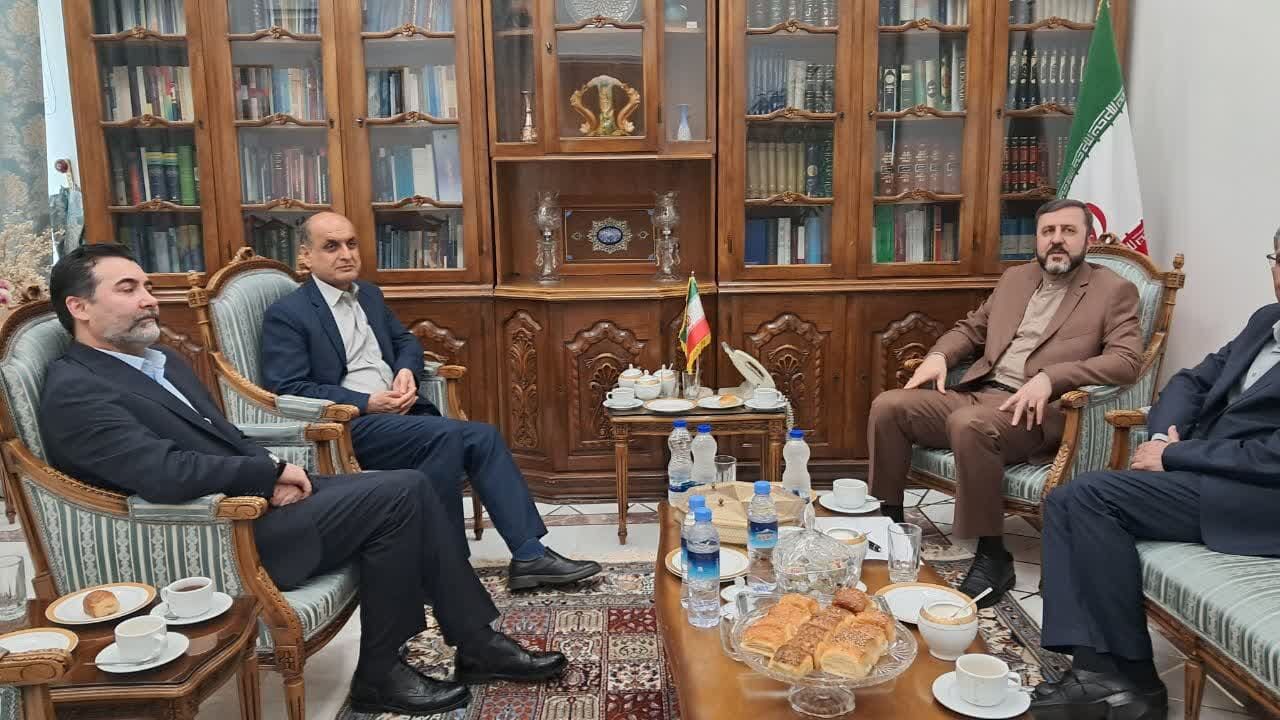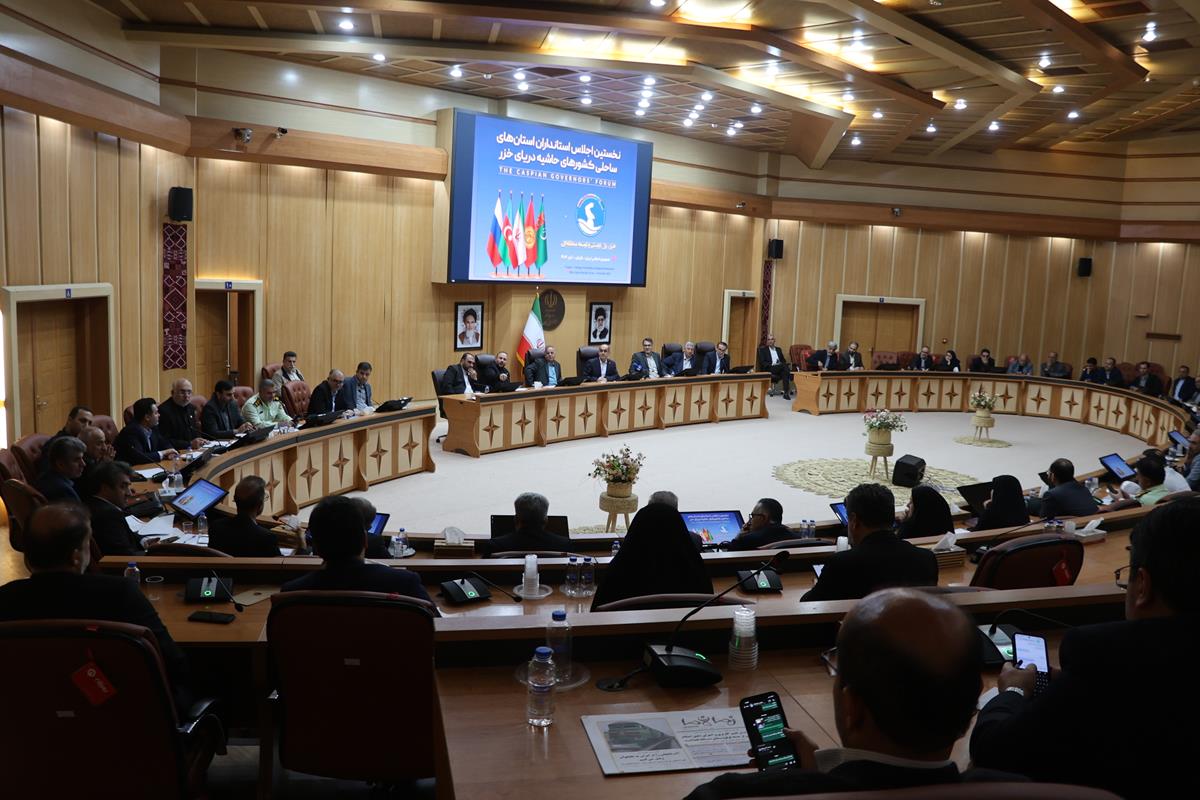

The Governor of Guilan, addressing the continuous decline in the Caspian Sea’s water level, stated that this issue will be a main focus of the First Caspian Governors’ Forum in Rasht.
According to the Public Relations Department of the Guilan Governor’s office; Hadi Haghshenas, the governor of Guilan, today (Friday) in a live television interview with the Persian Gulf Channel of Hormozgan Province, explained the status of the North-South Corridor and the Rasht-Astara railway project, emphasizing the need for joint cooperation among the five Caspian Sea coastal countries to investigate the reasons for the decrease in the sea’s water level.
The governor of Guilan highlighted that the exact cause of the Caspian Sea’s water level fluctuations has not yet been definitively determined by any of the coastal countries. He mentioned that these fluctuations have occurred over the past century, first in 50-year and then 20-year periods, and the current decrease of about 2.6 to 2.7 meters has raised common regional concerns.
He considered the decrease in the Caspian Sea’s water level a trans-regional issue, noting that it could have very serious effects on the performance of some ports, including Astrakhan and Ola, which are river ports; while the Caspian Port will still be able to continue its activities with dredging operations.
Haghshenas also announced the First Caspian Governors’ Forum in Rasht next week and said: Reducing the level of Caspian water and pollution caused by oil activities by neighboring countries will be important topics of this meeting.
In another part of his speech, referring to efforts to reduce pollution in the Anzali Wetland, he announced the implementation of large treatment plant projects in Rasht, Anzali, Fouman and about 700 surrounding villages. He added that by operating the new treatment plants, around 100,000 cubic meters of the province’s wastewater will be purified.
According to the Guilan governor, 30 million Hemats (translator’s note: each Hemat is equal to 1000 billion Tomans or 10000 Rials) of financial resources are needed to complete the treatment plants and stop all 250,000 cubic meters of wastewater from entering the Zarjoob and Goharrood rivers.
Haghshenas described Guilan’s role in developing maritime and rail trade, as well as protecting the environment in the northern part of the country, as strategic He added that: “With the completion of the Rasht-Astara railway and the coordination of coastal countries to manage changes in the Caspian Sea water level, the economic and environmental future of the region will be transformed.”