-
اندازه متن
+
Pointing out that Iran’s share of trade from this sea is currently very small, the Governor of Guilan stressed the importance of maximizing the capacity of northern ports and strengthening regional cooperation to boost trade exchanges.
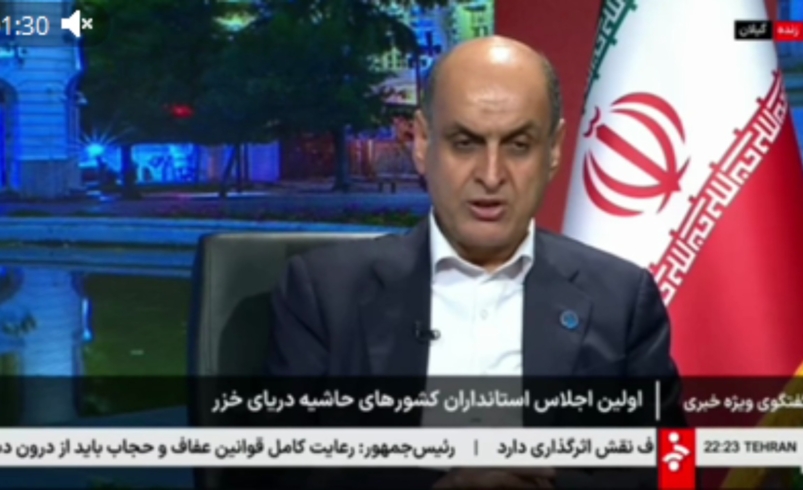
According to the report from the Governor of Guilan’s Public Relations Office, Hadi Haghshenas stated in a special interview with IRINN on Tuesday evening: This forum has the capacity to bring tangible and reliable achievements for the people of Guilan and Iran, and we hope that its effects will be more visible in the near future.
Referring to the low share of Iran’s trade through the Caspian Sea, he said: “Currently, about five percent of the country’s trade is carried out through the Caspian Sea; while there are extensive capacities in the three northern provinces of the country and in the Caspian coastal countries. The provinces of Guilan , Golestan, and Mazandaran provide a significant portion of the country’s agricultural production, and in contrast, the countries of the region, especially Kazakhstan, are among the world’s largest grain producers.”

Stating that the 48-hour distance between Iran and Kazakhstan via shipping is an important advantage for trade development, the Governor of Guilan added: “Despite this capacity, the bulk of the country’s cargo still enters via longer and more expensive routes, which doubles the need to review trade approaches.”
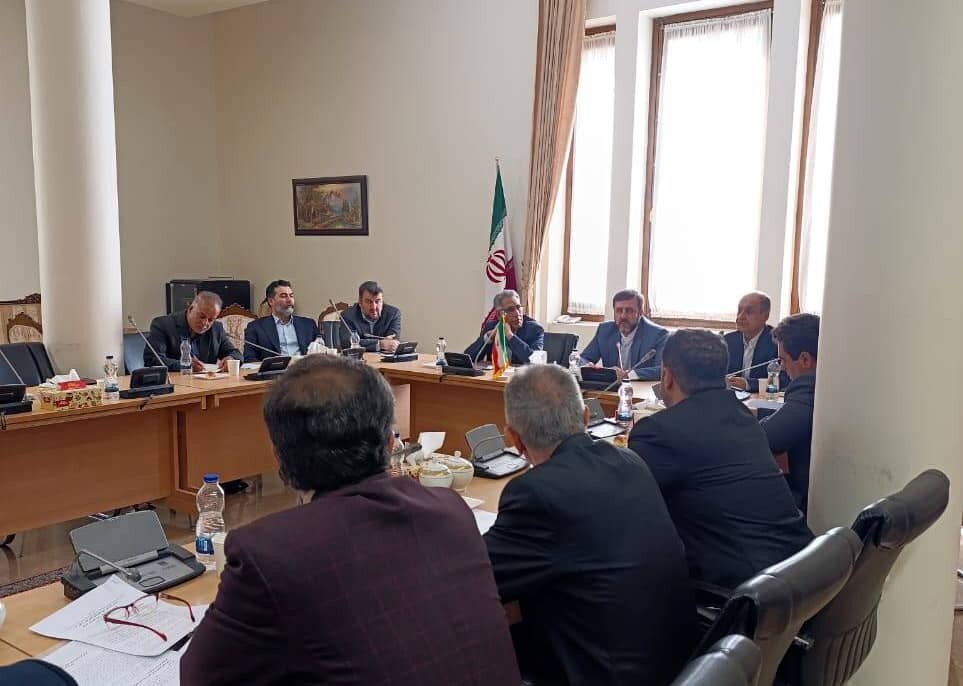
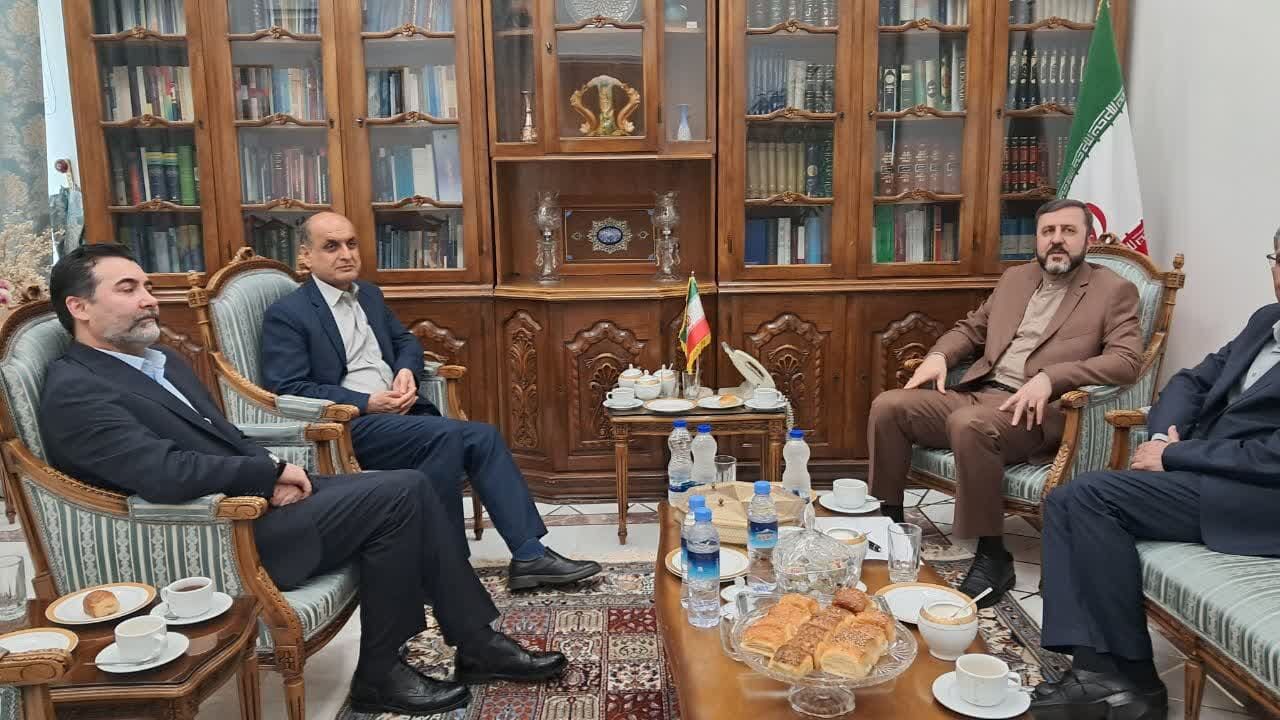
Emphasizing that the country’s northern ports have a loading and unloading capacity of 30 million tons, Haghshenas said: “Less than one-third of this capacity is still being used, and to make wider use of these infrastructures, we need to strengthen public and economic diplomacy with the Caspian bordering countries.” He added: “Today’s meeting, attended by the governors of the four regional countries and the country’s economic officials, is an effective step towards activating the infrastructure sector of Caspian trade and moving towards realizing the North-South Corridor. The presence of the governors of Hormozgan and Sistan and Baluchestan has also been done for the purpose of further coordination to create complete continuity of the country’s trade routes.” The Governor of Guilan also pointed out the importance of the Rasht-Astara railway project and stated: “The 14th government is seriously pursuing the implementation of this project, because its completion will open the main cargo stopover on domestic routes and increase the attractiveness of Iran’s transit route for regional countries.” Recalling the growth of Iran’s naval fleet in the Caspian Sea and the existence of cultural and commercial commonalities with its northern neighbors, he stated: “Taking advantage of these capacities requires continuous commercial dialogues between the private sector and economic activists on both sides, and the Caspian Forum can be a platform for signing strategic agreements and agreements.” Haghshenas concluded by expressing hope that with the continuation of these meetings and the expansion of bilateral and regional interactions, the path to developing Caspian Sea trade for Guilan Province and the country will be paved more than before.