-
اندازه متن
+
Emphasizing the importance of hardware and software infrastructures, the Governor of Guilan said: The simultaneous development of these capacities paves the way for optimal utilization of the economic, transportation, and maritime capacities of the Caspian Sea. According to the Governor of Guilan’s Public Relations Office, Hadi Haghshenas spoke this afternoon (Wednesday) at the closing ceremony of The First Caspian Governors’ Forum […]
Emphasizing the importance of hardware and software infrastructures, the Governor of Guilan said: The simultaneous development of these capacities paves the way for optimal utilization of the economic, transportation, and maritime capacities of the Caspian Sea.

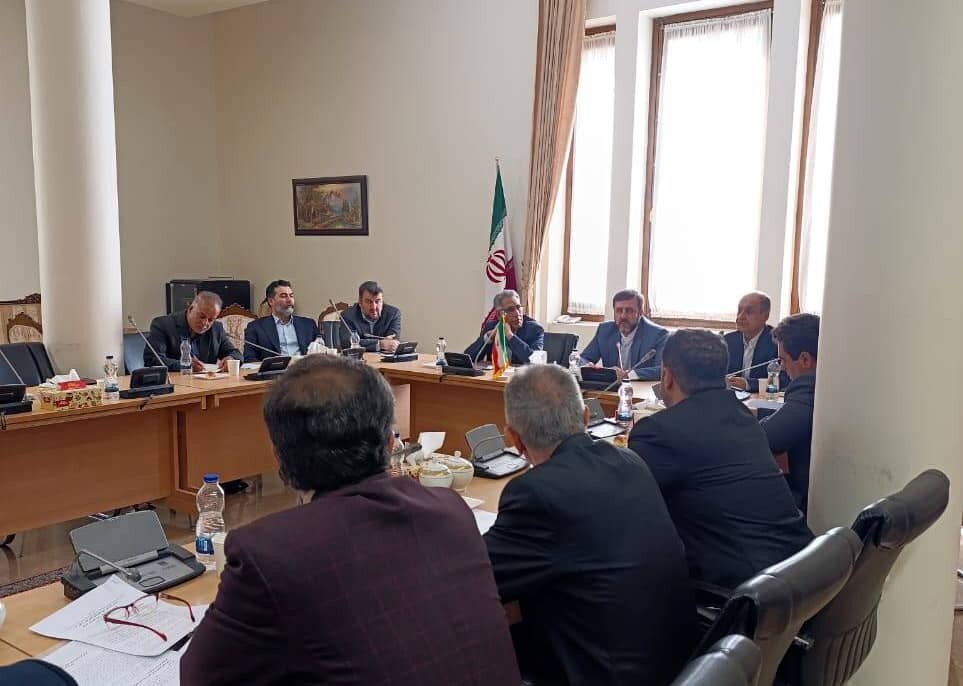
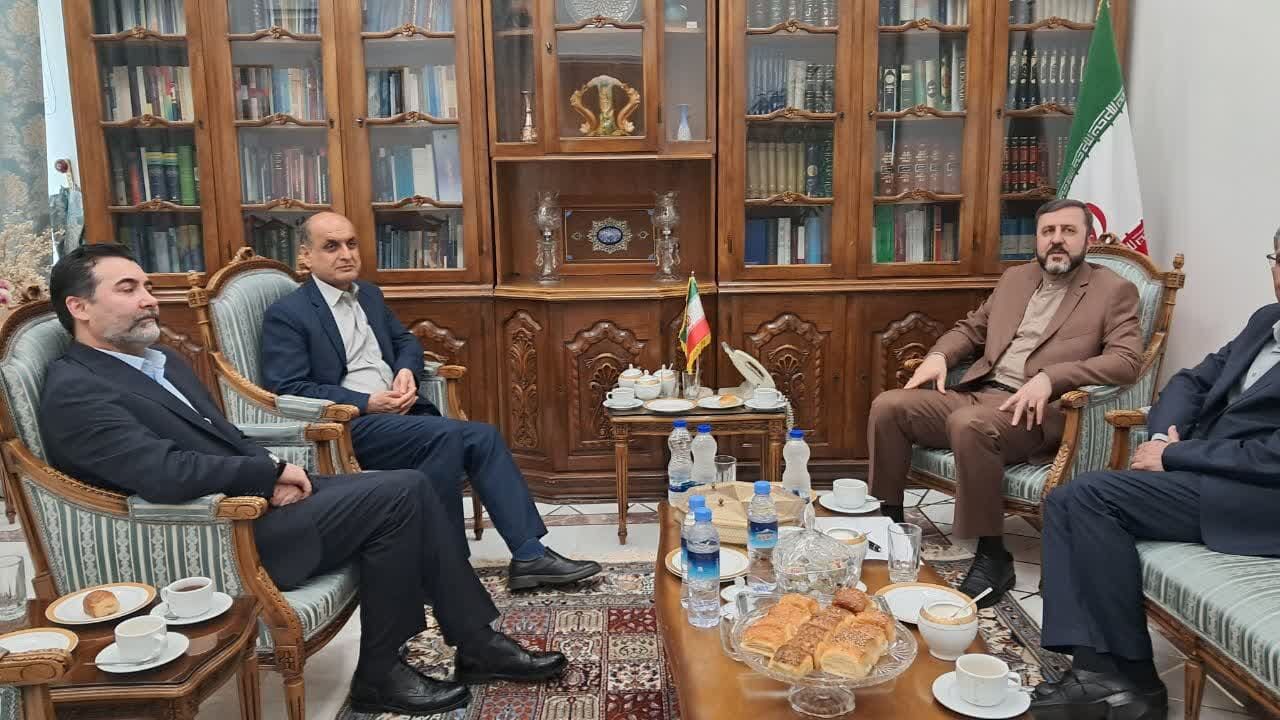
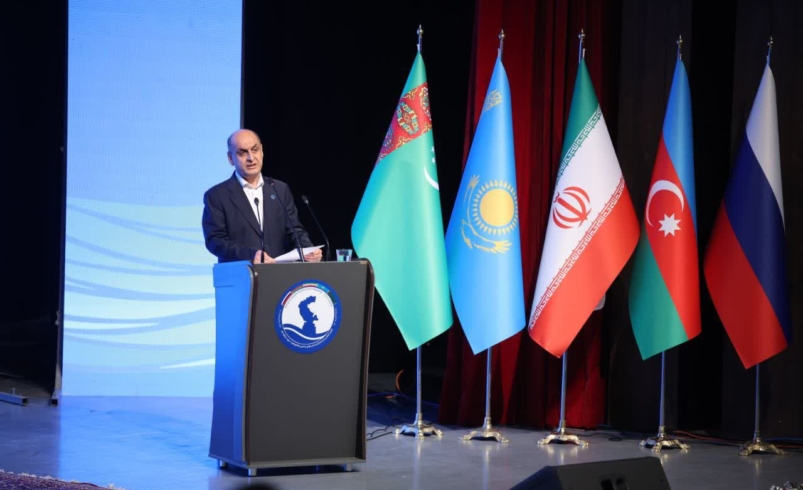
According to the Public Relations Department of the Guilan Governor’s Office, Hadi Haghshenas spoke at the closing ceremony of the First Caspian Governors’ Forum in Rasht. He highlighted the achievements of the forum and the common determination of the Caspian Sea countries to build a brighter future for the region.
He mentioned that specialized panels were held in Guilan on the first day of the forum, and a joint statement, the result of negotiations among the five countries, has been prepared and made available to the esteemed delegations. If the delegations have no objections, this statement will be considered approved.
The Governor of Guilan, emphasized the economic capacities of the Caspian Sea in various areas, noting that the coast and the sea play a distinguished role in the global economy. Sustainable utilization of water resources and capacities, or the sea-based economy, can provide the basis for economic growth, improve people’s livelihoods, create jobs, and increase domestic production.

Haghshenas also mentioned that the maritime economy extends beyond fisheries, tourism, and maritime activities and includes areas such as shipbuilding, ship repairs, maritime transportation, oil and gas extraction, renewable energy production, and marine environmental protection.
Highlighting the importance of maritime infrastructure and transportation, the governor mentioned that, “currently, 80 percent of global trade is carried out through maritime transportation, and infrastructure development can increase the country’s maritime transportation capacity, leading to a decrease in the final price of products and services.
The governor considered the role of maritime economy production in the development of the region to be very important. He noted that the experience of developed countries shows that the share of maritime economy production can constitute up to one-third of the gross domestic product, so Iran, with simultaneous access to both the Caspian Sea and the Persian Gulf, has the appropriate capacity to benefit from maritime economy and sustainable development.
Pointing to the importance of developing infrastructure in the fields of transportation, ports, airports and roads, Haghshenas added that optimal use of existing capacities and full exploitation of rail and port projects are among the province’s priorities.” He emphasized the need to pay attention to software cooperation such as banking and insurance cooperation, facilitating access to visas, easy registration of activities in free trade zones and activating border markets, stating: “The Rasht-Astara railway will complement the Astara-Bandar Abbas railway route, and we are trying to put it into operation within the next three years.” According to the Governor of Guilan, this project can initiate broader cooperation, more effective interactions and more stable empathy between the provinces of the Caspian Sea countries.